
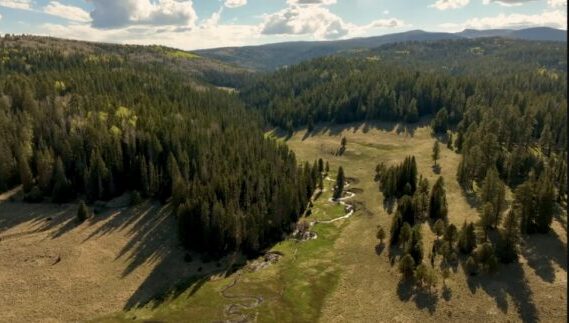
With this current drought situation we are in, it is not always easy getting a fly to trout in small streams before they sense our presence and hide. Last spring, we had so little snow that there was no runoff. Spring flows were lower than the fall, which is very unusual. This year, I am not sure that conditions are much better so it’s time to learn how to fish these low technical waters. In this post, I am going to break it down.
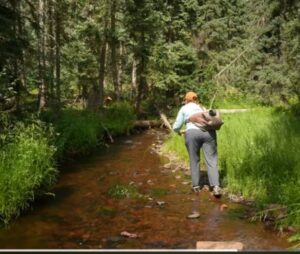 Work Upstream (Approach)– with our low, clear water, trout are very sensitive and will spook if they see you, your shadow or if you make too much movement. They are facing upstream and letting the current bring them food. So, by working upstream, you are behind them and the plan should be for you to get a fly to them before they know you are there. Start at the back of the run and work your way up.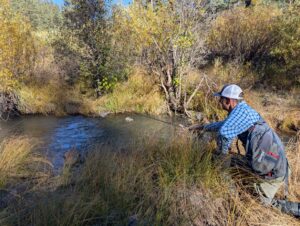
STAY OUT OF THE WATER!!!- once you step in the water, the chances of catching trout in a small, crystal-clear stream decrease by over 50%. You are pushing water and they will sense that there is danger. Once you see them take off, they will hunker down, hide and not eat until they feel the danger is gone. This could be 5 minutes or hours, depending on the fish. Again, the goal is the get a fly to them before they know you are there. There are times, due to trees, bushes, and weeds when it is impossible to fish a run unless you are in the stream, so my rule is: stay out when you can and only get in if you have to. If you NEED to step in, stay as far back as you can and walk through the water as little as possible. When it is time to move up, step out of the water, walk upstream and step back in, if needed.
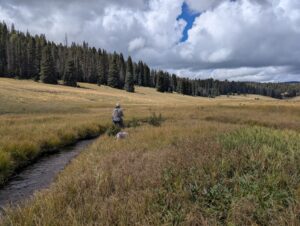 Cover Water- if you if you stay in a run too long, there is a good chance they will eventually know that you are there. So, throw no more than about 5 casts in each spot you stop to fish. Cover the water and move on. The more you cast and pick the fly up off the water, the greater the chance of spooking them. So, make fewer but efficient casts and drifts. The good news is that if you put fish down, walk upstream to the next run where they haven’t seen you yet.
Fish the Structure- in low, clear water like we are experiencing in the high country, make every cast count. Expect these trout to be hiding. With water like this, they will be sitting under the edges of rocks, undercut banks, under overhanging branches or anywhere else where they are less visible to predators. So, when approaching a run, decide where they most likely will be hiding and that should be the first cast. Don’t work your way to it because you don’t want to put them down before getting to their most likely hiding place.
Sense of Urgency- Once arriving at the spot where you plan to make your casts from, get your cast off quickly! The longer you stand there, getting your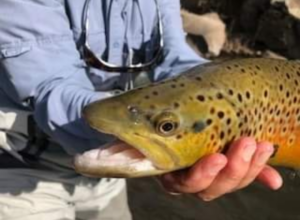 fly ready, moving around, pulling the tip of you fly line through the rod tip, the more likely you are to spook trout. Again, fly to fish before they know you are there. When fishing a small stream, I will typically cover a mile to two of stream in a day depending on the difficulty of managing the terrain.
Casting- it is important to work on your casting! If you aren’t accurate with shorter casts (10 to 30′), you will struggle on small streams. The goal is to fish the structure, and it is even more important to get your fly there on the first cast since ripping the fly off the water will alarm fish. The first cast and drift in any run are the most important. When practicing, always make sure to cast to a target. If you are struggling, get a casting lesson. It is amazing how much you can improve with just one or two lessons. If you are in the Phoenix area, look to AZ Fly Shop and in Tucson, reach out to Dry Creek Outfitters.
Fish in creeks are sensitive due to the low, clear water we have in Arizona. So, if you cover a mile or two of water during a day of fishing, stay out of the water when possible, and have a sense of urgency, you will find more trout that are willing participants in eating your fly. If all of this sounds foreign or too complicated or, you are struggling, book a guide trip with us and we will teach you everything you need to know about approaching technical, small water.
Tightlines, Cinda Howard