Todd MacRobbie
AZGFD licensed flyfishing guide
602.538.2791
Instagram coachmac_onthefly
Stillwater fly fishing is an art that demands patience, precision, and an understanding of the aquatic life that trout feed on. One of the most effective ways to catch trout in lakes and reservoirs is by using chironomid, midge, and bloodworm patterns. These insects make up a large portion of a trout’s diet in stillwaters, and learning how to fish them properly can significantly improve your success on the water.
What is a Chironomid?
Chironomids, often referred to as midges, are tiny aquatic insects that resemble mosquitoes but do not bite. They are one of the most abundant food sources in stillwater environments, making them a staple in a trout’s diet. These insects go through a complete metamorphosis, transitioning from egg to larva (bloodworm), pupa, and finally to an adult midge.
The Midge Life Cycle
Understanding the midge’s life cycle is key to selecting the right fly and presentation:
Egg Stage – Midges lay their eggs on the water’s surface, and they quickly sink to the bottom.
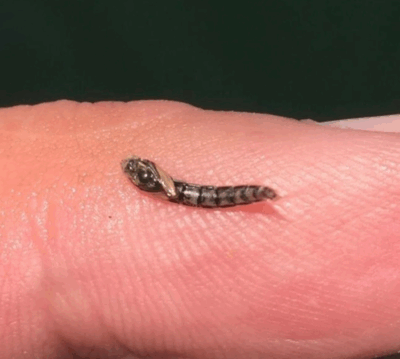
Larva (Bloodworm) Stage – The eggs hatch into larvae, commonly known as bloodworms due to their red coloration, caused by hemoglobin that helps them survive in low-oxygen environments. These larvae live in the lake bed, burrowing into mud and detritus.
Pupa Stage – When ready to emerge, the larvae transform into pupae, developing gas bubbles inside their exoskeletons that help them ascend toward the surface. This is the most vulnerable stage, and trout eagerly feed on rising pupae.
Adult Midge Stage – Upon reaching the surface, the pupa splits open, and an adult midge emerges, drying its wings before taking flight. Trout may feed on struggling adults on the surface, but they primarily target the pupa during emergence.
Fishing Chironomid Patterns in Stillwater
To effectively fish chironomids, midges, and bloodworms, you need to understand their behavior and where trout are feeding in the water column. Here’s how to approach it:
Bloodworm Patterns (Larva Stage)
Best fished close to the bottom where larvae burrow.
Slow, short retrieves work well to mimic their subtle movements.
Popular colors: red, maroon, brown (due to hemoglobin content).
Chironomid Pupa Patterns
Fish these at varying depths, suspending them under an indicator to match the depth where trout are feeding.
Use a slow, vertical lift or a static presentation with occasional twitches.
Popular colors: black, olive, red, brown, silver, white (often with ribbing in silver, gold, or red to mimic gas bubbles).
Midge Dry Fly Patterns (Adult Stage)
When trout are sipping midges off the surface, use a midge dry fly like a Griffith’s Gnat or a CDC midge.
Popular colors: black, grey, white to match the natural midge.
The Importance of Color Variation
Chironomid pupa and bloodworms come in various colors depending on water conditions, oxygen levels, and the specific species present. Experimenting with different colors can be the key to success. Here are some general guidelines:
Red – Effective for bloodworms and oxygen-rich pupae.
Black – A common and reliable color for pupae in most waters.
Olive – Good for imitating certain species of chironomid pupae.
Brown/Tan – Works well in siltier waters.
Silver/White – Mimics the gas bubble effect in rising pupae.
Pro Tip: Matching the Hatch
Before you start fishing, take a look at the water and use a seine net to see colors and sizes the trout are feeding on. This small effort can make a big difference in your success.
Final Thoughts
Stillwater fly fishing with chironomids, midges, and bloodworms requires patience and a keen understanding of insect life cycles. By using the right fly patterns, adjusting depth, and experimenting with colors, you can increase your chances of landing more fish. Next time you’re out on the lake, take the time to observe the water and fine-tune your approach—you just might unlock some of the best fishing of your life
View this post on Instagram
Todd MacRobbie
AZGFD licensed flyfishing guide
602.538.2791
Instagram coachmac_onthefly